
Find Your Calm: Progressive Muscle Relaxation Techniques
Chosen theme: Progressive Muscle Relaxation Techniques. Discover a simple, science-informed practice that teaches your body to release tension on cue, softens anxious edges, and restores steady focus. Join us, try a session today, and subscribe for weekly PMR prompts, guides, and gentle encouragement.

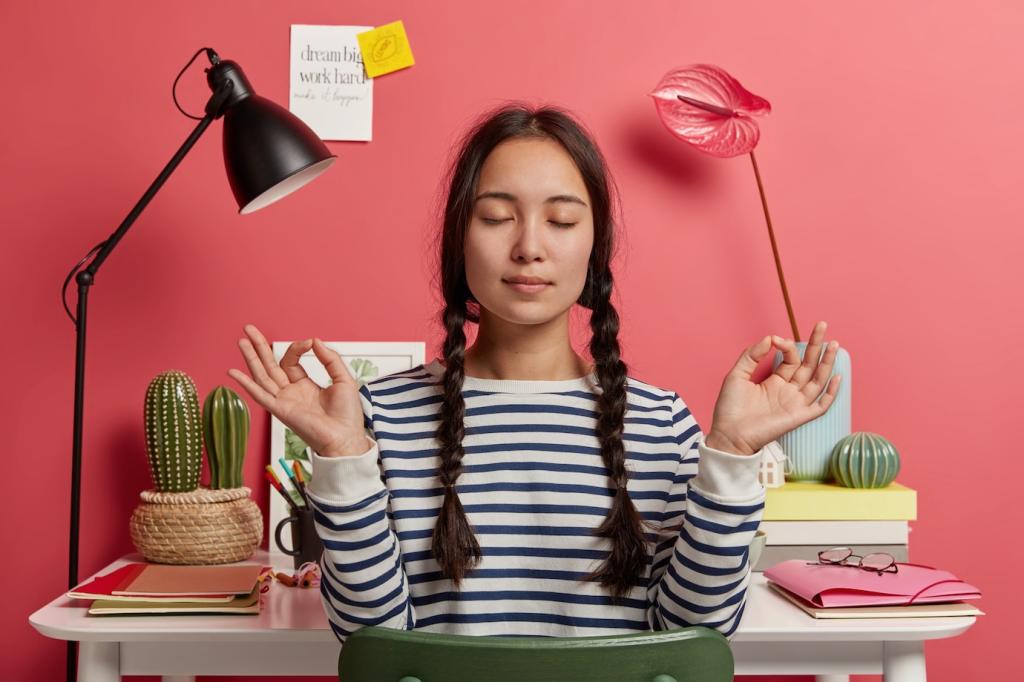
How Progressive Muscle Relaxation Works
In the 1920s, physician Edmund Jacobson pioneered Progressive Muscle Relaxation to quiet the body’s stress signals. His insight was simple: teach muscles to truly let go by first tensing, then releasing. Today, that sequence anchors countless bedtime routines, therapy plans, and performance rituals.
How Progressive Muscle Relaxation Works
Brief, controlled tension heightens awareness of tightness you normally overlook. When you release, the contrast signals safety and ease to your nervous system. Over time, you learn the sensation of relaxation so clearly that your body finds it faster, especially during stressful moments.
A Beginner-Friendly PMR Sequence
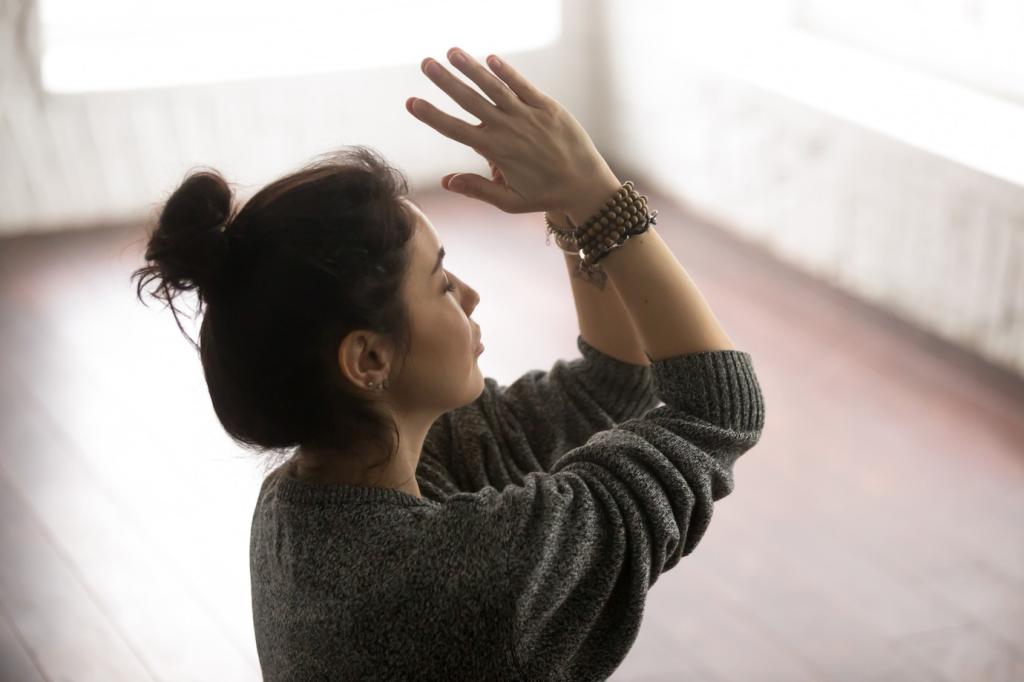
Choose a quiet spot, dim the lights, and silence notifications. Sit or lie down comfortably, with a supportive pillow for your head or knees. Set an intention like “Notice, don’t judge.” Comment below with your preferred setup, and subscribe for printable PMR checklists.
Sleeping Better with Progressive Muscle Relaxation
Pair Progressive Muscle Relaxation Techniques with dim light and a consistent bedtime. Start with legs, end with face, then stay still for three quiet breaths. Keep it predictable so your brain associates the sequence with sleep. Tell us which step makes you yawn first and why.
Sleeping Better with Progressive Muscle Relaxation
When thoughts speed up, aim attention at sensation: the pulse in your calves after release, the warmth in your hands. Thoughts can pass like clouds while you track physical shifts. Add soft ambient sound if helpful. Subscribe for a soothing audio guide timed exactly for bedtime routines.
Sleeping Better with Progressive Muscle Relaxation
If you awaken, keep lights low and run a shortened PMR: hands, shoulders, jaw. Three cycles can quiet tension without fully waking you. If not sleepy after twenty minutes, read something gentle, then try again. Share your best sleepy tweak; your tip might help another reader tonight.


PMR for Stress, Pain, and Performance
Between meetings, unclench the jaw, roll the shoulders, then tense and release forearms and hands. Two rounds bring warmth back to the fingers and a calmer tempo to your breath. Post your favorite micro-reset in the comments, and subscribe for a weekly desk-friendly PMR routine.
PMR for Stress, Pain, and Performance
PMR does not cure pain, but it can lower guarding, reduce catastrophizing, and soften surrounding tension. Skip any painful muscle group and focus near, not on, hotspots. Over weeks, you may notice better body trust. Discuss adjustments with your clinician, and share compassionate strategies that worked for you.
Avoiding Common PMR Mistakes
Too Much Force, Too Little Feel
If you squeeze too hard, you court cramps or headaches. Aim for a firm but comfortable tension, like holding a full water bottle without crushing it. Sensation clarity matters more than intensity. Tell us how you gauge effort, and subscribe for a gentle coaching audio on calibration.
Skipping the Tricky Spots
The jaw, shoulders, and calves often hold quiet tension. Avoiding them can limit benefits. Approach cautiously: smaller squeezes, longer releases, and mindful breath. If an area feels unsafe, skip and revisit later. Share a spot you finally unlocked and what cue helped your body say yes.
Rushing the Release Window
The magic lives in the release. Guard at least twenty seconds, longer if stress is high. Scan for softness, heaviness, and warmth. Notice subtle pulses. If you rush, you miss the nervous system learning. Commit to patience tonight, then report your favorite post-release sensation in the comments.
Two-Minute Anchors on Busy Days
When time is scarce, pick one cluster—hands, shoulders, or jaw—and do two relaxed cycles. Short practice beats skipped practice. Pair it with a daily cue, like closing your laptop. Share your anchor choice and help others find realistic pockets for calm amid overflowing schedules.
Track What You Notice, Not Just Streaks
Instead of chasing perfect streaks, log sensations: heavier legs, warmer palms, slower breath. Those notes reinforce progress that numbers miss. Use a sticky note or simple app. Subscribe to receive a printable PMR journal page and tell us which sensation first signals you are truly unwinding.
Community Keeps It Going
Invite a friend, share your favorite script, or record a calm voice memo for a partner. Accountability multiplies follow-through and makes practice feel human. Drop a comment with your PMR buddy plan, and join our newsletter for monthly group challenges that keep relaxation routines alive.